Addressing medication waste: an EU priority for sustainable health systems
15 January 2026
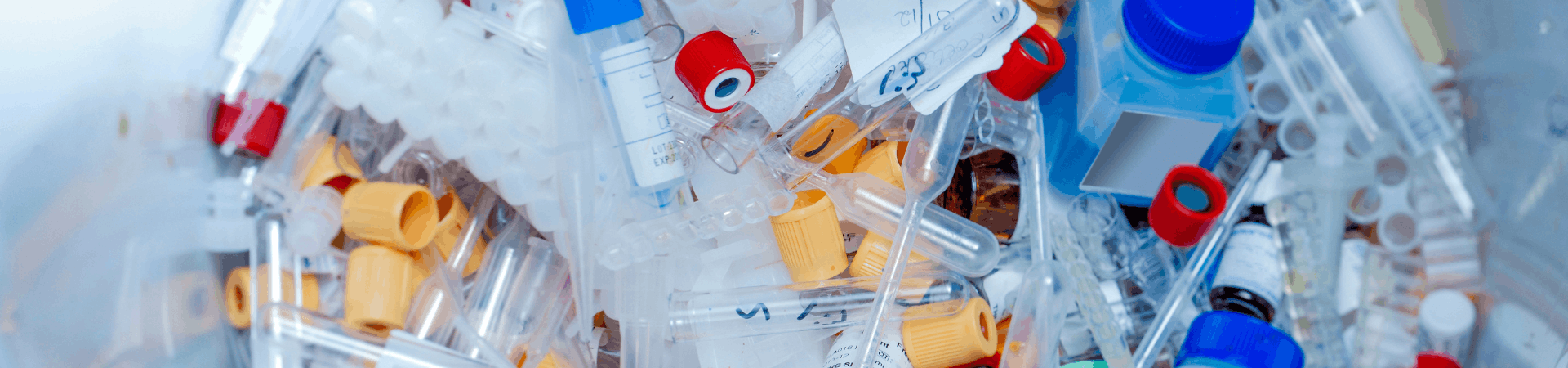
Medication waste remains one of the most persistent yet underestimated challenges facing European healthcare systems. Each year, significant volumes of unused or expired medicines are generated across the EU, resulting in avoidable financial losses, environmental harm and missed opportunities to improve patient health outcomes. These shortcomings indicate that medication waste is a deep systemic weakness in medication management and care coordination.
As part of the MEDIWASTE project, EHMA published a position paper – a call for comprehensive EU action on medication waste and management – in which it calls on EU institutions and Member States to recognise medication waste as an urgent policy issue that needs to be integrated into ongoing pharmaceutical and health system reforms.
The MEDIWASTE project seeks to catalyse an EU-wide call to action to invest in assessment and reform efforts that reduce medication waste in primary care and long-term care settings. It focuses on strengthening knowledge exchange, improving adherence, optimising polypharmacy management, modernising dispensing practices, and ensuring that only the right amount of medication reaches patients. Importantly, the project situates medication waste within a broader sustainability agenda that connects patient safety, economic resilience, and environmental protection.
Medication waste as a systemic challenge
EHMA’s analysis demonstrates that medication waste is not an isolated operational problem but a symptom of deeper structural shortcomings. Across Europe, up to half of medicines prescribed for long-term conditions are not taken as intended. This level of non-adherence is associated with approximately 200,000 premature deaths annually and tens of billions of euros in preventable healthcare costs. When medicines are not taken as prescribed, health systems pay twice: first for therapies that yield no benefit, and again for the downstream costs of avoidable hospital admissions, emergencies, uncontrolled disease progression, and premature mortality.
Beyond its clinical and economic impact, medication waste contributes to environmental pollution. Pharmaceutical residues have been detected in water reservoirs, rivers, soils, and marine ecosystems across Europe. Communities located near manufacturing hotspots or in regions with weaker waste infrastructure face disproportionate exposure risks. While concentrations remain below therapeutic doses, the long-term impact of chronic low-level exposure to complex pharmaceutical mixtures remains poorly understood and warrants precautionary policy action.
At the same time, medication waste paradoxically coexists with critical medicine shortages. Current EU initiatives, including the Critical Medicines Act and the revision of the EU Pharmaceutical Package, focus primarily on supply security but do not yet explicitly address waste reduction. This omission represents a missed opportunity to link efficiency, sustainability, and resilience in a single reform agenda.
Identifying the structural drivers of waste
EHMA position paper identifies several interconnected drivers of medication waste across Europe, including:
- medication non-adherence
- polypharmacy and complex treatment regimens
- frequent therapy changes
- insufficient medication review and reconciliation
- standardised pack sizes that do not reflect patient needs
- weak disposal infrastructure
- limited use of safe redistribution mechanisms
- regulatory barriers to pharmacy-led repackaging and automated dispensing
- insufficient availability of bulk, automation-ready medicines
These drivers reveal a need to move beyond fragmented interventions toward coordinated, system-level medication management strategies that align clinical practice, reimbursement incentives, manufacturing design, and regulatory frameworks.
Evidence-based solutions and Member State experience
The paper highlights interventions that have demonstrated measurable impact in reducing medication waste, including:
- reimbursement models aligned with dispensed doses rather than full packages
- systematic medication reviews and structured deprescribing
- strengthened health literacy and patient education
- interoperable digital prescribing systems
- Automated Dose Dispensing (ADD) technologies
- regulatory alignment enabling safe pharmacy repackaging
- manufacturer responsibility for pack design and bulk formats
Case studies from Belgium and the Netherlands show that substantial waste reduction is achievable when infrastructure, financial incentives, interprofessional collaboration, and evidence-based technologies are combined. These countries illustrate that optimising medication use requires sustained investment, regulatory flexibility, and strong coordination across care settings. They also demonstrate that innovation in dispensing and monitoring must be supported by reimbursement systems and legal frameworks that encourage, rather than hinder, safer and more efficient practices.
A call for coordinated EU action
Building on this evidence, EHMA proposes a set of integrated policy recommendations for EU institutions and Member States. These recognise that some areas are ready for immediate action, while others require structured stakeholder dialogue and gradual implementation. Central priorities include EU-wide surveillance of medication waste, harmonised standards for automated dispensing and digital interoperability, stronger professional training in medication optimisation, and clearer responsibilities for pharmaceutical manufacturers in reducing packaging and oversupply.
EHMA stresses that medication waste reduction should not be framed solely as a cost-containment exercise. It represents a strategic opportunity to strengthen health system resilience, improve patient-centred care, reduce environmental harm, and ensure more sustainable use of medicines. Addressing waste is inseparable from improving quality of care.
As the EU advances pharmaceutical and health policy reforms, EHMA calls for medication waste and medication management to be placed firmly on the European policy agenda. The evidence is clear: proven solutions exist, and coordinated EU action can simultaneously deliver clinical, economic, and environmental benefits. Reducing medication waste is not only a sustainability objective — it is a core component of modern, high-quality healthcare.
Read the position paperRecent News
New report published: Consolidating infant rsv prophylaxis – evidence and policy guidance for European health systems.
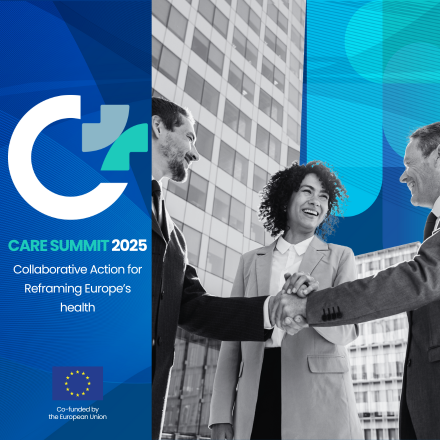
CARE Summit: building a stronger European Health Union
Awaiting committee decision: A turning point for the Critical Medicines Act
What our Members say
I have been active in EHMA since the first years of the '90s and I have seen its evolution from a small association of members interested in sharing knowledge on health management practices to the current status of reference and advisory key player for EU, health systems and organisations, stakeholders associations, industry and universities. EHMA is now a unique knowledge hub, policy advisor, community of practice and network of best in class organisations involved in health policy and management. A place where health managers can build their competences, policy-makers and stakeholder associations envision how to implement and sustain change through health management, industry leaders understand how to engage more effectively with health organisations and systems. The right place to nurture and grow health management capabilities and capacity for every stakeholder of health systems.
Prof. Federico Lega, University of Milan, Italy
Health management has a crucial function in shaping public health and health system challenges. The Medical University of Varna, Bulgaria had success in collaborating with EHMA on EU-funded projects that has resourced us to create new health management competencies for the future workforce. In addition to all classical definitions, health management is a science dealing with individuals, groups, and society at large. It is an art contributing to the beauty of our lives and an interactive communication process at all levels of institutions and human energy. I have also had the pleasure to chair the South Eastern European Special Interest Group which gives members a space to discuss and tools to address how health systems are managed in our regions.
Prof. Todorka Kostadinova, Medical University of Varna, Bulgaria
I enjoy the high level of interaction and engagement in EHMA’s activities, in particular during the annual conference where the panel discussions are rich and well prepared. As a hospital manager and professor of health management, EHMA motivates and inspires me to be creative. You go back home feeling energised from seeing old friends and making new connections, as well as being convinced of serving as EHMA’s ambassador. It’s a strong feeling of interdisciplinary engagement, but it also feels like being part of family-like community.
Prof. Sandra C. Buttigieg, University of Malta, Malta
EHMA is a pre-eminent organisation for everyone working in planning, managing and delivering health services across Europe. As a long standing member of EHMA I have always been impressed by the vibrant community of managers, researchers and academics it has created and by the many opportunities for sharing knowledge and funding opportunities it has brought to its members. Its international scope is impressive and its impact is often felt in management and research across European and national health systems.
Prof. Axel Kaehne, Edge Hill University, UK
Health workforce has become more essential in operating, managing and maintaining health systems lately, particularly in crisis and emergency situations. European healthcare professions and the workforce need to be high on the agenda of managers and decision makers. The Health Services Management Training Centre, Semmelweis University in Hungary is a longstanding EHMA member, because it connects us with collaborators and experts, with whom we can have complex debates, from whom we can learn and at the end find solutions in various challenging fields of healthcare management.
Dr Eszter Kovács, Health Services Management Training Centre, Semmelweis University, Hungary
As a hospital administrator and health management professor, I see on a daily basis that the healthcare challenges require talented and skilled managers to transform it. the EHMA membership has been beneficial to bring healthcare management research and education to the demanding healthcare services world, promoting healthcare management competencies and knowledge creation.
Dr Alexandre Lourenco, APAH - Association of Portuguese Hospital Managers, Portugal
Many healthcare systems in Europe and beyond are facing similar challenges which require innovative and creative solutions. EHMA’s annual conference, webinars, Programme Directors’ group and other activities and resources provide incredible opportunities for networking, connecting and sharing experiences. A distinct feature of EHMA is the diversity of members with representation from many countries, sectors and different communities of practice – academic, policy-makers, practitioners, managers, leaders and students. The annual conference is a highlight in the calendar year, offering a friendly, fun and learningful environment for emerging and established members to engage, collaborate and meet up with old and new friends. I am proud to be a member of the EHMA Board.
Prof. Ann Mahon, University of Manchester, UK
Society evolution, pandemics and ageing modify health needs. So, health policies and services are to change dramatically. EHMA, through webinars, workshops and annual conference provides an excellent insight to a professional changing world, favouring closeness to management innovation and the protagonists of these changes. As a primary care services’ manager, participating in EHMA activities is really worth it and allows to involve oneself in the innovation processes.
Dr Antoni Peris Grao, Consorci Castelldefels Agents de Salut (CASAP), Spain